
Why AI Won't Replace Your Architect - By Malika Junaid
May, 05
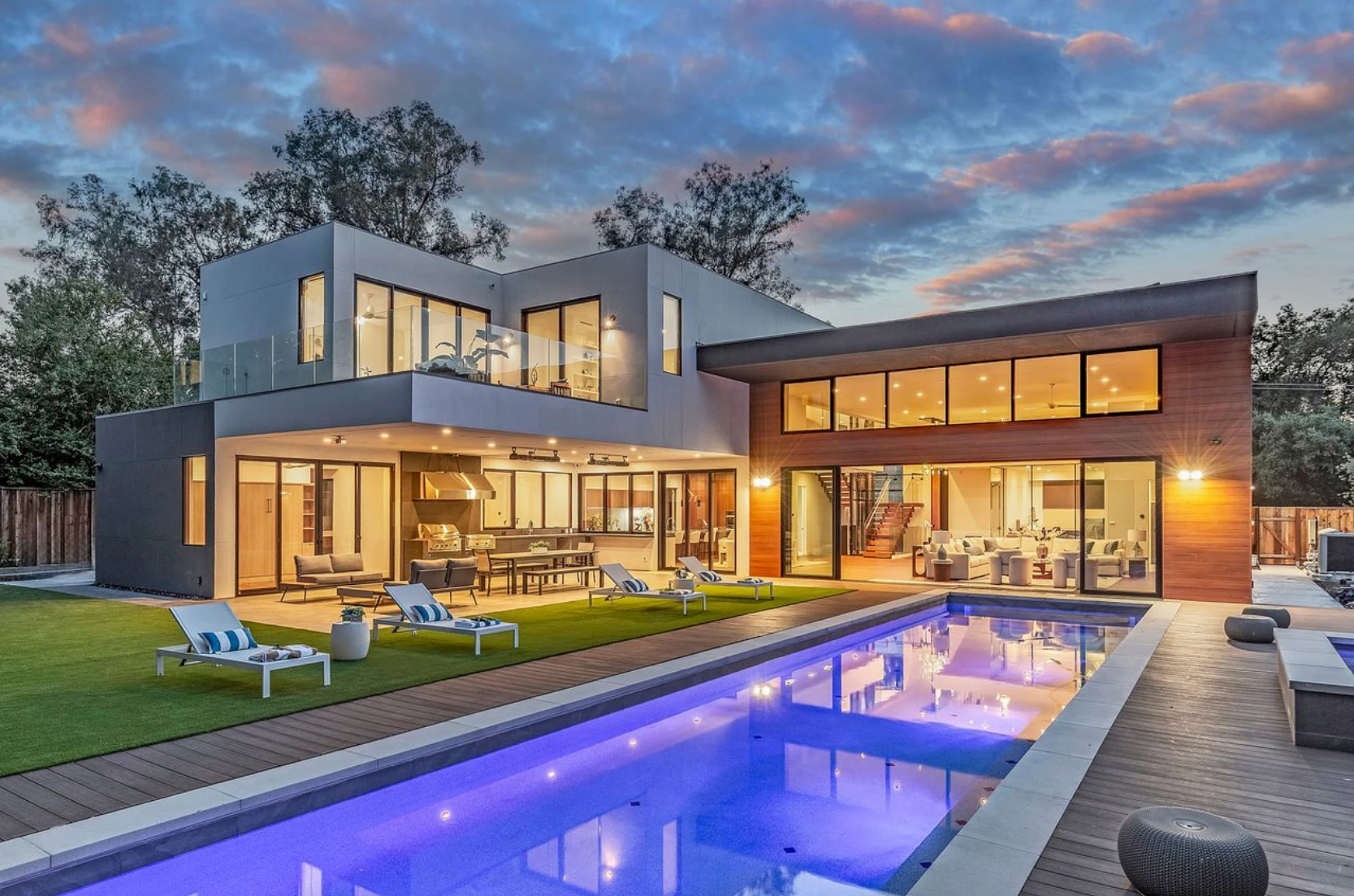
I've been watching the conversation around AI and architecture with a lot of interest. Some of my colleagues find it threatening. I don't, and I want to explain why, not to be reassuring, but because I think the reason actually matters.
AI can do things now that would have seemed remarkable even five years ago. It can generate floor plans, produce renderings, run energy simulations, flag code compliance issues. Some of these tools I use myself. They're genuinely useful. They save time on things that used to take hours, and they let my team focus on the work that actually requires judgment.
But here’s what AI cannot do. It cannot sit across from a family for two hours and notice that every time the husband talks about the living room, he glances at his wife and she goes slightly quiet. It cannot pick up on the fact that the “home office” they’re asking for is actually the first space in the marriage that one person wants entirely to themselves and that this matters enormously to how it should be designed. It cannot catch a client saying offhand that they’ve moved seven times in twelve years and understand that what they’re really asking for, underneath every specification on their list, is a home that finally feels permanent.
This is where the true work of an architect begins. We are not just designers; we become quiet observers, translators, and interpreters of human behavior. In many ways, architects step into roles that resemble family and marriage therapists, psychologists, and even psychiatrists, listening carefully, reading between the lines, and helping clients articulate needs they may not even fully understand themselves. We navigate differing opinions, mediate unspoken conflicts, and gently guide families toward decisions that reflect not just aesthetic preferences, but emotional truths.
A well-designed home is not simply a collection of beautiful rooms, it is a resolution of relationships, habits, and aspirations. It holds space for togetherness and privacy, for routine and change, for growth and stability. Achieving that requires empathy, intuition, and human connection, qualities that cannot be automated. It requires being present, asking the right questions, and sometimes hearing what is not being said.
These are not small things. They are the whole point.
Architecture is a technical profession, yes. But at its core it's a listening profession. The drawings are just how we record what we've understood about someone's life. If you skip the understanding, the drawings don't mean much.
The process of designing and building a home, from the first conversation about what you want, through planning and permits, through construction, all the way to the day you walk through the finished door, is long. It can take two years. A lot happens in two years. Families change. Priorities shift. A client who was certain they wanted an open plan calls me six months in and quietly admits they need more privacy than they thought. A construction issue comes up on site and someone needs to make a judgment call at 7am before the crew starts work. These moments require a person who knows the project and knows the family, not just the data about the project.
The tools are working from inputs: square footage, number of bedrooms, style preferences. And inputs are not the same as understanding. What a prompt cannot capture is the texture of how a family actually lives. The fact that this household is multigenerational and privacy matters in ways that a standard open plan completely ignores. That the light in the afternoon hits a certain part of the lot and that's where someone wants to sit every day without quite knowing why yet. These things surface in conversation. Sometimes they surface on a site visit, when you're standing in the space and someone says something almost offhand that changes everything.
Thirty years of this work leaves you with something that's hard to name exactly. You start to carry all the projects with you, the ones that worked beautifully, the ones where something was off and you only understood why later, the details clients never expected to love. Most of that never gets written down anywhere. It lives in conversations, in site visits, in the instinct that says this ceiling height will feel wrong even if the numbers say it's fine. That kind of judgment takes time to build, and it doesn't transfer into a prompt.
I'm not worried about AI replacing architects. I'm more interested in how we use it to spend less time on the parts of this job that don't require a human, so we can spend more time on the parts that do.
If you're starting a project and wondering whether the process really needs as much human involvement as architects suggest, I'd invite you to think about what you're actually asking us to do. You're not asking for a building. You're asking someone to translate your life into a space. That has always been a human job.